
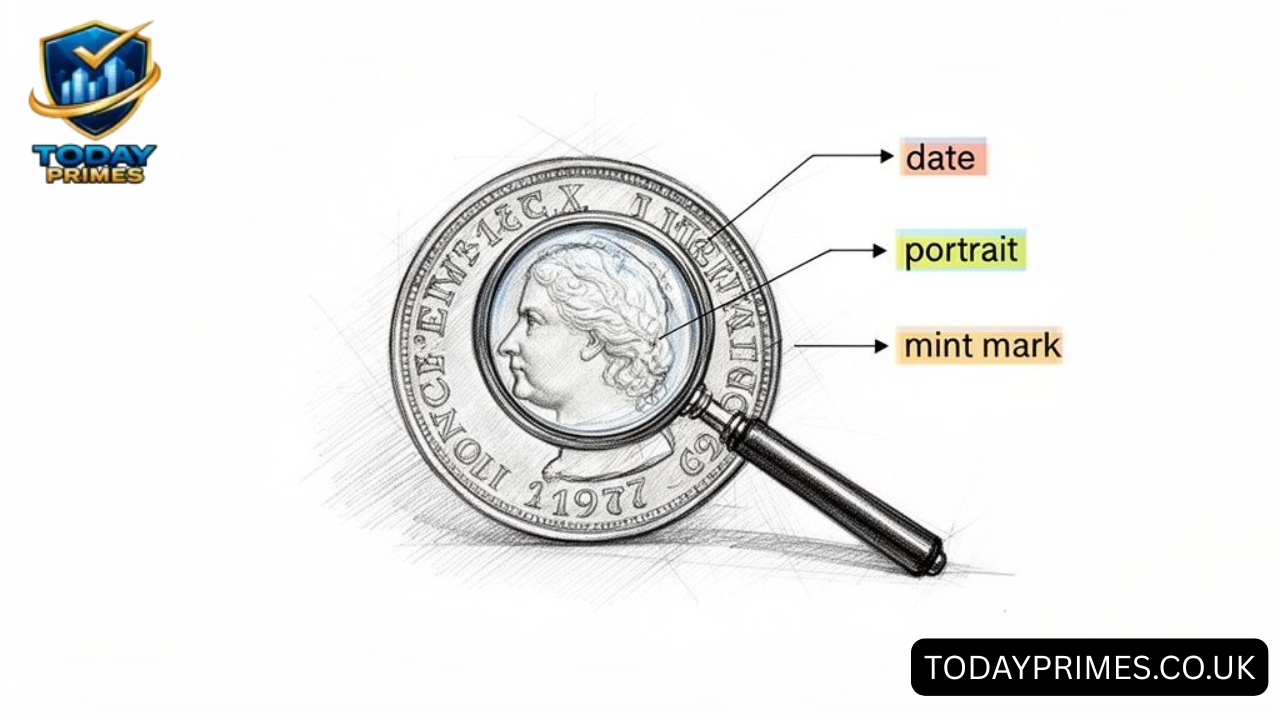
The British sixpence value explained remains one of the most recognisable coins in the nation’s monetary history. Although it has not been legal tender for decades, it still appears regularly in households, antique collections, and family heirlooms. Interest in sixpence value has grown steadily as more people explore coin collecting and rediscover historic currency tucked away in drawers and boxes.
Beyond nostalgia, the sixpence holds genuine financial and historical interest. Its long production run, changing metal content, and association with different monarchs all contribute to its appeal. Understanding why this small coin still attracts attention today is the first step towards appreciating what it may truly be worth.
Understanding Sixpence Value and What Influences It
Several important factors determine sixpence value, and they work together rather than in isolation. Metal composition is one of the most significant, particularly for coins minted before 1947 that contain silver. The presence of precious metal often ensures a base level of worth regardless of condition or rarity.
Condition and rarity also play a crucial role. Coins with clear details, minimal wear, and strong original features are more attractive to collectors. Meanwhile, years with lower mintages or special historical relevance tend to be more desirable, increasing demand and, in turn, value in the collector market.
Silver Sixpence Value in the UK and Why Silver Matters
Silver sixpence value in the UK is closely tied to the coin’s silver content and the current bullion market. Sixpences minted before 1920 were made from sterling silver, while those produced between 1920 and 1946 contained a reduced silver percentage. This makes older examples particularly appealing to both collectors and silver investors.
Even worn silver sixpences can retain value due to their metal content alone. When silver prices rise, these coins often increase in worth accordingly. This combination of historical interest and intrinsic value explains why silver sixpences remain among the most sought-after examples in British coin collecting.
Sixpence Value by Year and Why Dates Matter
Looking at sixpence value by year is essential for accurate identification and valuation. Certain years are more frequently searched because they coincide with key historical periods or changes in metal composition. Victorian-era sixpences, for example, often attract higher interest due to their age and silver content.
Later years such as 1955, 1956, 1957, and even 1964 are also commonly researched. While many of these later coins are less valuable, condition and demand can still influence price. Knowing the exact year helps narrow down whether a coin is primarily a collectible, a silver piece, or simply a keepsake.
Queen Victoria Sixpence Value and Historic Appeal
Queen Victoria sixpence value is often higher than that of later coins due to age, design variety, and collector demand. During her long reign, several different portrait styles were used, making Victorian sixpences particularly interesting to numismatists. These variations add layers of collectability beyond simple metal content.
Collectors are often drawn to Victorian sixpences because they represent a defining period in British history. When combined with silver composition and reasonable condition, these coins can command strong prices. Their appeal lies in both their historical narrative and their tangible connection to nineteenth-century Britain.
Old Sixpence Value UK and How to Identify Your Coin
Determining old sixpence value in the UK begins with identifying whether the coin is silver or cupronickel. Coins dated before 1947 are generally silver, while later examples are not. Simple checks such as weight, colour, and sound can provide helpful clues without specialist equipment.
Condition assessment is equally important. Coins with sharp lettering, intact rims, and minimal surface damage are more desirable. Comparing your coin against trusted price guides or recent auction results gives a clearer picture of current sixpence value and helps avoid undervaluing or overestimating its worth.
Sixpence Value Today in the Modern Collector Market

Sixpence Value Explained today is shaped by collector demand, silver prices, and overall interest in historic British coins. While some examples are worth only a modest amount, others can achieve higher prices due to rarity, condition, or silver content. Understanding these market dynamics helps owners make informed decisions.
Whether buying, selling, or simply researching, timing can also influence value. Periods of increased interest in silver or British heritage coins often lead to stronger prices. Keeping an eye on market trends ensures that any decision regarding a sixpence is based on current, relevant information.
Popular Sixpence Years and Their Typical Value Range
Certain dates repeatedly appear in searches because they are commonly owned or frequently discussed. Coins such as the 1944, 1948, 1960, and 1961 sixpence are often checked by people who find them in old collections. While many are modestly valued, silver content can still make a difference.
Other dates like 1922 or 1887 may attract stronger interest depending on condition and demand. Understanding how these years fit into the broader history of sixpence production helps explain why some coins are more desirable than others, even when they appear similar at first glance.
Collecting, Selling, or Keeping a Sixpence as an Heirloom
Deciding what to do with a sixpence depends on personal goals as much as financial considerations. Some people choose to sell silver examples when market conditions are favourable, while others enjoy building collections focused on specific monarchs or historical periods.
For many families, a sixpence holds sentimental value that outweighs its monetary worth. In such cases, proper storage is important to preserve condition. Whether collected, sold, or kept, understanding sixpence value ensures the coin is appreciated for its true significance.
Conclusion: Understanding the True Worth of a Sixpence
The sixpence may be small, but its value can vary widely depending on age, material, and condition. Learning how these factors interact allows owners to make confident decisions and avoid common mistakes when assessing their coins.
With careful research and a basic understanding of the market, many people discover that their sixpence is more than just an old coin. Whether modest or valuable, each example offers a unique glimpse into Britain’s monetary and cultural history.
Frequently Asked Questions
What is a sixpence worth today in the UK?
A sixpence value today depends on its year, condition, and whether it contains silver.
Are all old sixpences made of silver?
No, only sixpences minted before 1947 contain silver, while later ones are cupronickel.
Which sixpence years are the most valuable?
Victorian-era and pre-1920 silver sixpences are generally the most valuable to collectors.
How can I tell if my sixpence is silver?
Check the year, weight, and colour, as pre-1947 coins are usually silver.
Is a 1957 sixpence worth anything?
A 1957 sixpence usually has modest value unless it is in excellent condition.
Does condition really affect sixpence value?
Yes, better condition can significantly increase a sixpence’s collector value.
Where can I sell an old sixpence in the UK?
You can sell it through coin dealers, auctions, or reputable online marketplaces.
Is sixpence value based only on silver content?
No, rarity, condition, and collector demand also strongly influence value.
Also Read: king st bristol