
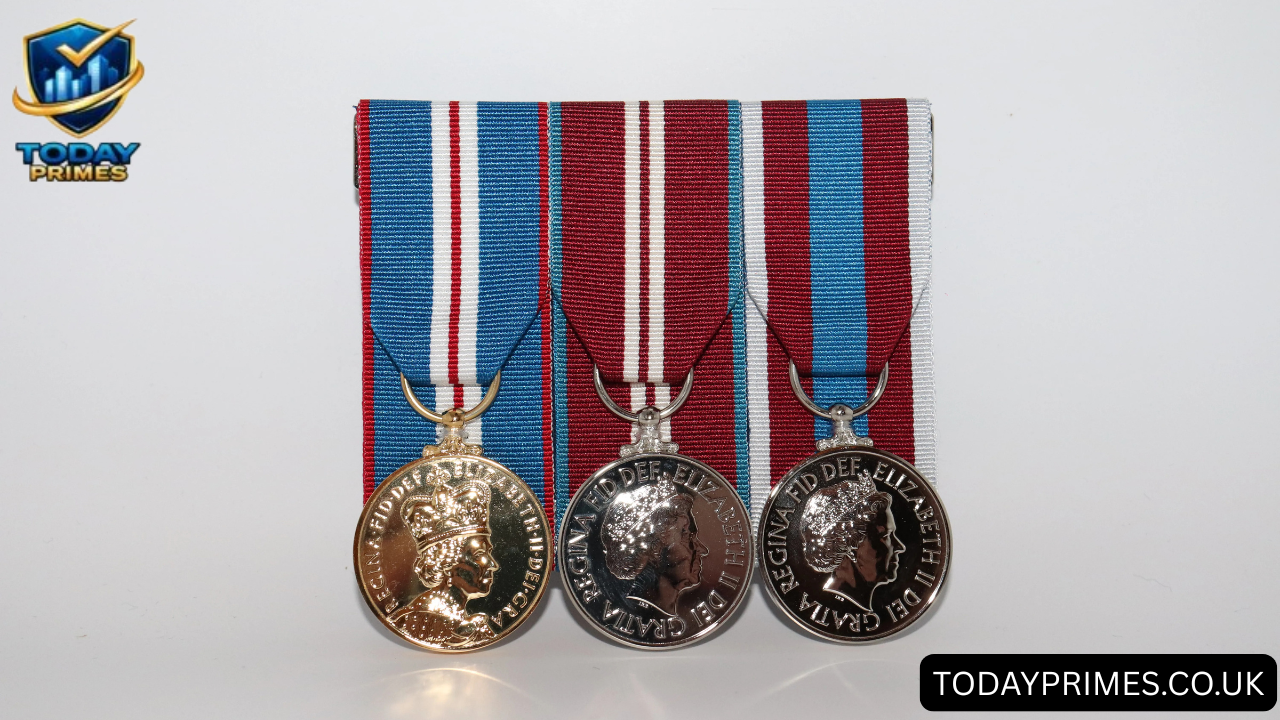
The diamond jubilee medal is a commemorative royal honour created to mark significant milestones in a monarch’s reign, most notably the 60-year reign of Queen Elizabeth II. It was introduced in 2012 as part of nationwide celebrations across the United Kingdom and Commonwealth, recognising dedication, service, and loyalty. The medal quickly became a symbol of national appreciation for individuals working in public service and community roles during a historic royal year.
The diamond jubilee medal also reflects a long-standing tradition within the British honours system, where major royal anniversaries are marked with special awards. Its purpose goes beyond decoration, representing gratitude to those who contributed to society during the Queen’s Diamond Jubilee. The medal connects modern recognition practices with centuries of royal ceremonial history, reinforcing its importance in both cultural and historical contexts.
History of the Diamond Jubilee Medal
The history of the diamond jubilee medal can be traced back to earlier royal commemorations, particularly the 1897 Queen Victoria diamond jubilee medal. That earlier medal was created to celebrate 60 years of Queen Victoria’s reign and symbolised the strength and unity of the British Empire at the time. It set a precedent for future commemorative medals, establishing a tradition of honouring long-reigning monarchs.
Over a century later, the tradition continued with the diamond jubilee medal issued for Queen Elizabeth II in 2012. This modern version reflected a more contemporary Britain, focusing on public service rather than imperial achievement. While both medals share a common purpose, they represent different historical eras, showing how royal honours have evolved alongside society and governance.
Queen Elizabeth II Diamond Jubilee Medal (2012 Overview)
The diamond jubilee medal created in 2012 was issued to celebrate Queen Elizabeth II’s 60 years on the throne. It formed part of official jubilee celebrations across the United Kingdom and Commonwealth nations, including Canada. The medal was awarded to thousands of individuals who demonstrated exceptional service in fields such as healthcare, policing, military service, and community support.
The design of the diamond jubilee medal featured a portrait of the Queen and a distinctive ribbon symbolising royal tradition and national pride. It was produced in large numbers compared to historical honours, making it one of the most widely distributed commemorative medals of modern times. Despite its scale, it maintained prestige due to its strict eligibility criteria and official selection process.
Diamond Jubilee Medal Eligibility and Entitlement
Eligibility for the diamond jubilee medal was based on strict criteria set by government and royal authorities. In the United Kingdom, recipients were typically serving members of the armed forces, emergency services, and prison or security personnel who were actively working during the qualifying period. The aim was to reward those who demonstrated commitment and duty during the Queen’s Jubilee year.
The diamond jubilee medal entitlement also extended to individuals nominated for exceptional public service. In Canada, the Queen Elizabeth diamond jubilee medal Canada programme followed similar rules, recognising citizens who made meaningful contributions to society. The entitlement process ensured that the medal remained a mark of genuine service rather than general distribution.
Requirements for the Diamond Jubilee Medal
The requirements for the diamond jubilee medal were carefully structured to maintain fairness and prestige. Most recipients needed to be actively serving during the official eligibility dates in 2012 and meet standards of conduct and performance within their organisation. These requirements ensured that only those who contributed significantly during the Jubilee period were recognised.
In many cases, the diamond jubilee medal eligibility UK process relied on nominations from employers, departments, or service leaders. This system allowed organisations to highlight individuals who went beyond their duties. As a result, the medal became a respected symbol of achievement across multiple sectors, particularly within public service roles.
Who Received the Diamond Jubilee Medal
The diamond jubilee medal was awarded to a wide range of individuals across different sectors of society. Military personnel, NHS staff, police officers, firefighters, and emergency responders formed the largest groups of recipients. These individuals were recognised for their dedication and contribution to public safety and national wellbeing during the Jubilee celebrations.
In addition, the diamond jubilee medal for veterans was also awarded in certain circumstances, particularly where continued service or contribution was recognised. Across the Commonwealth, thousands of recipients were honoured, making the medal a widely respected symbol of appreciation for those who supported their communities during a historic national event.
Value and Collectability of the Diamond Jubilee Medal
The value of the diamond jubilee medal is influenced by condition, authenticity, and collector demand. While it was originally issued as a commemorative honour rather than a commercial item, it has become popular among collectors of royal memorabilia. Medals with original ribbons, packaging, and certification tend to hold greater interest in the collectors’ market.
Historical medals such as the queen victoria diamond jubilee medal 1897 value are often significantly higher due to age and rarity. In comparison, the 2012 diamond jubilee medal has moderate monetary value but strong sentimental and historical appeal. It remains a sought-after item for those interested in British royal history and military awards.
Comparison Between Queen Victoria and Queen Elizabeth II Jubilee Medals

The queen victoria diamond jubilee medal and the diamond jubilee medal issued in 2012 represent two distinct eras of British history. The 1897 medal celebrated imperial strength and the global influence of Queen Victoria’s reign, while the modern version focuses on public service and national contribution within a constitutional monarchy.
Although both medals share the same commemorative purpose, their design, distribution, and eligibility criteria differ significantly. The victoria diamond jubilee medal is now considered a historical artefact, while the Queen Elizabeth II version remains a modern symbol of recognition still remembered for its large-scale public service awards.
Award Process and Selection of Recipients
The diamond jubilee medal was not typically available for direct application, as recipients were selected through official nomination systems. Government departments, military units, and public organisations identified individuals who met the eligibility criteria and demonstrated outstanding service during the Jubilee period.
The apply for diamond jubilee medal process was therefore indirect, ensuring that awards were given based on merit and contribution rather than personal request. This structured system helped preserve the integrity of the honour and ensured that recognition was meaningful and consistent across all sectors.
Importance of the Diamond Jubilee Medal in Modern History
The diamond jubilee medal holds lasting importance in both British and Commonwealth history. It represents not only a celebration of Queen Elizabeth II’s 60-year reign but also a recognition of the individuals who contributed to society during that time. The medal symbolises unity, duty, and national appreciation.
Beyond its ceremonial value, the diamond jubilee medal reflects the evolving nature of royal honours in the modern era. It bridges historical tradition with contemporary service recognition, ensuring that contributions to public life are formally acknowledged during major national milestones.
Conclusion
The diamond jubilee medal remains a powerful symbol of royal celebration and public recognition. From its historical origins in Queen Victoria’s era to its modern 2012 edition, it reflects the changing nature of honour and service within British society. Its significance continues to resonate across generations.
Whether viewed as a collectible item or a prestigious award, the diamond jubilee medal represents dedication, loyalty, and national pride. It stands as a lasting reminder of Queen Elizabeth II’s remarkable reign and the individuals who supported their communities during one of the most important celebrations in modern royal history.
Frequently Asked Questions
What is the diamond jubilee medal?
It is a commemorative medal issued to mark the 60th anniversary of a monarch’s reign, especially Queen Elizabeth II in 2012.
Who was eligible for the diamond jubilee medal?
Eligibility included military personnel, emergency services, and public sector workers who met official service criteria.
Can you apply for the diamond jubilee medal?
No, recipients were generally nominated by organisations rather than applying directly.
What is the value of the Queen Victoria diamond jubilee medal 1897?
Its value depends on rarity and condition, and it is often considered a valuable collector’s item.
Is the diamond jubilee medal still awarded today?
No, it was issued only during the 2012 Diamond Jubilee celebrations.
Also Read: port hamilton