
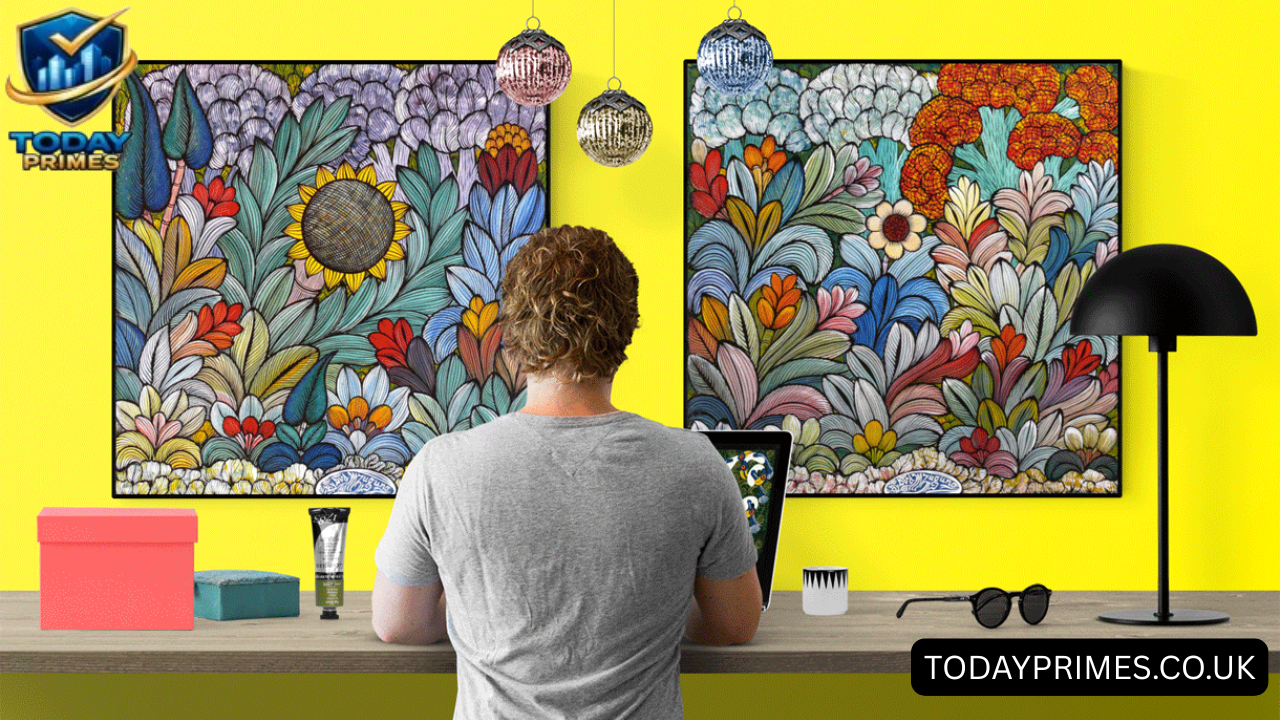
Tinga tinga paintings are one of the most vibrant and recognisable forms of African folk art, originating in Tanzania and celebrated for their bold colours and imaginative storytelling. These artworks are deeply connected to everyday life, wildlife, and cultural traditions, making them a powerful visual expression of East African creativity. Today, tinga tinga paintings are admired globally for their unique charm and distinctive artistic identity.
The popularity of tinga tinga paintings has grown significantly beyond Tanzania, attracting collectors, tourists, and art enthusiasts from around the world. Their bright, energetic style captures attention instantly, often featuring animals and village scenes in a playful manner. As a result, tinga tinga paintings have become an important symbol of Tanzanian cultural heritage and a celebrated form of African visual storytelling.
Origins of Tinga Tinga Paintings and Edward Saidi Tingatinga
The history of tinga tinga paintings begins with Edward Saidi Tingatinga, a Tanzanian artist who started this unique style in the late 1960s in Dar es Salaam. Working with limited resources, he used simple materials to create expressive and colourful artworks. His creativity transformed ordinary scenes into striking visual stories, laying the foundation for what is now known as tinga tinga paintings.
Edward Saidi Tingatinga paintings quickly gained attention for their originality and charm, inspiring others to adopt and continue his style. After his death, his students and family members helped preserve the tradition through organised artistic groups. This ensured that tinga tinga paintings continued to evolve while maintaining their original spirit and cultural authenticity across Tanzania and beyond.
Key Characteristics of Tinga Tinga Paintings
Tinga tinga paintings are instantly recognisable due to their bright, bold colour palettes and simplified forms. Artists often use high-contrast shades such as red, yellow, green, and blue to create visually striking compositions. The style is intentionally playful and expressive, making tinga tinga paintings appealing to both children and adults alike across global audiences.
Another defining feature of tinga tinga paintings is their use of enamel paint on wooden boards or canvas. This technique creates a glossy finish that enhances the vibrancy of the artwork. The compositions are often densely packed with detail, yet maintain a sense of harmony and rhythm. This distinctive approach sets tinga tinga paintings apart from other African art forms.
Themes and Symbolism in Tinga Tinga Paintings
The themes found in tinga tinga paintings are deeply rooted in African wildlife and cultural storytelling. Animals such as lions, elephants, giraffes, and birds are commonly featured, often depicted in imaginative and humorous ways. These scenes reflect the strong connection between people and nature in Tanzanian culture, giving tinga tinga paintings a meaningful narrative depth.
Beyond wildlife, tinga tinga paintings also illustrate village life, folklore, and symbolic stories passed down through generations. Each artwork can carry hidden meanings, representing values such as unity, survival, and harmony with nature. This storytelling aspect makes tinga tinga paintings not only visually appealing but also culturally significant and emotionally expressive.
Evolution of Tinga Tinga Paintings
Over time, tinga tinga paintings have evolved from a small local art form into an internationally recognised artistic movement. After the passing of Edward Saidi Tingatinga, his artistic legacy was carried forward by the Tingatinga Arts Cooperative Society. This organisation played a vital role in preserving and expanding the style across Tanzania and neighbouring countries.
Today, tinga tinga paintings are widely sold in galleries, tourist markets, and online platforms, reaching audiences across the globe. The style has adapted to modern tastes while maintaining its traditional roots. This evolution has helped tinga tinga paintings remain relevant in contemporary art markets while preserving their cultural identity and historical significance.
Cultural Importance of Tinga Tinga Paintings
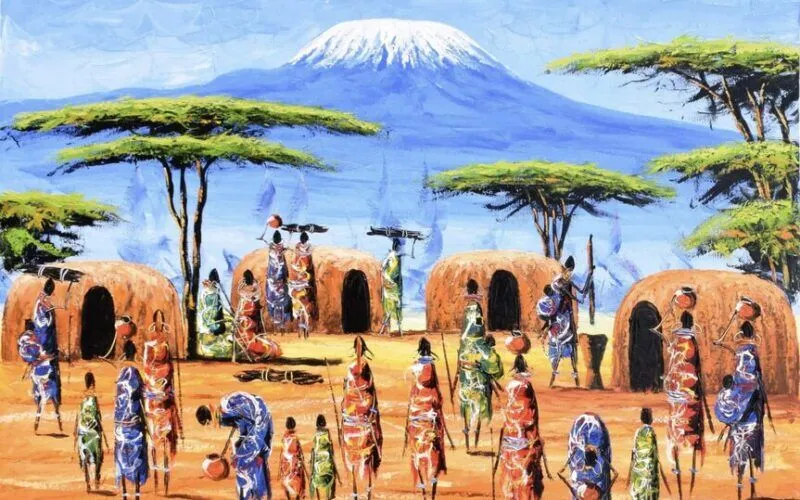
Tinga tinga paintings hold great cultural importance in Tanzania as they represent the creativity and storytelling traditions of the region. They are more than decorative art pieces; they are visual narratives that preserve African heritage and express the beauty of everyday life. This cultural value makes tinga tinga paintings an essential part of Tanzania’s artistic identity.
On a global scale, tinga tinga paintings have influenced interior design, tourism, and contemporary African art appreciation. Their vibrant style is frequently used in homes, hotels, and exhibitions to add colour and cultural richness. As interest in African art continues to grow, tinga tinga paintings remain a powerful representation of Tanzania’s artistic contribution to the world.
Conclusion
Tinga tinga paintings continue to stand as one of the most distinctive and celebrated art forms in African culture. Originating in Tanzania through the creativity of Edward Saidi Tingatinga, this style has grown into a global artistic phenomenon. Its bold colours, imaginative themes, and storytelling qualities make it instantly recognisable and widely admired.
The lasting appeal of tinga tinga paintings lies in their ability to connect tradition with modern creativity. They reflect the spirit of Tanzanian culture while appealing to international audiences who appreciate vibrant and meaningful artwork. As this art form continues to evolve, tinga tinga paintings remain a powerful symbol of African artistic expression and cultural pride.
Frequently Asked Questions
What are tinga tinga paintings?
Tinga tinga paintings are colourful Tanzanian artworks known for bold colours, animal themes, and playful storytelling style.
Who created tinga tinga paintings?
Edward Saidi Tingatinga created the tinga tinga paintings style in the late 1960s in Tanzania.
Where do tinga tinga paintings come from?
Tinga tinga paintings originate from Dar es Salaam in Tanzania and are a key part of East African folk art.
What materials are used in tinga tinga paintings?
Artists typically use enamel paint on wood, masonite boards, or canvas to create tinga tinga paintings.
Why are tinga tinga paintings so popular?
Tinga tinga paintings are popular due to their bright colours, unique style, and strong cultural storytelling appeal.
Are tinga tinga paintings still made today?
Yes, tinga tinga paintings are still actively created by artists in Tanzania and sold worldwide.
What animals are shown in tinga tinga paintings?
Tinga tinga paintings often feature lions, zebras, elephants, giraffes, birds, and other African wildlife.
Also Read: brunswick dock liverpool