
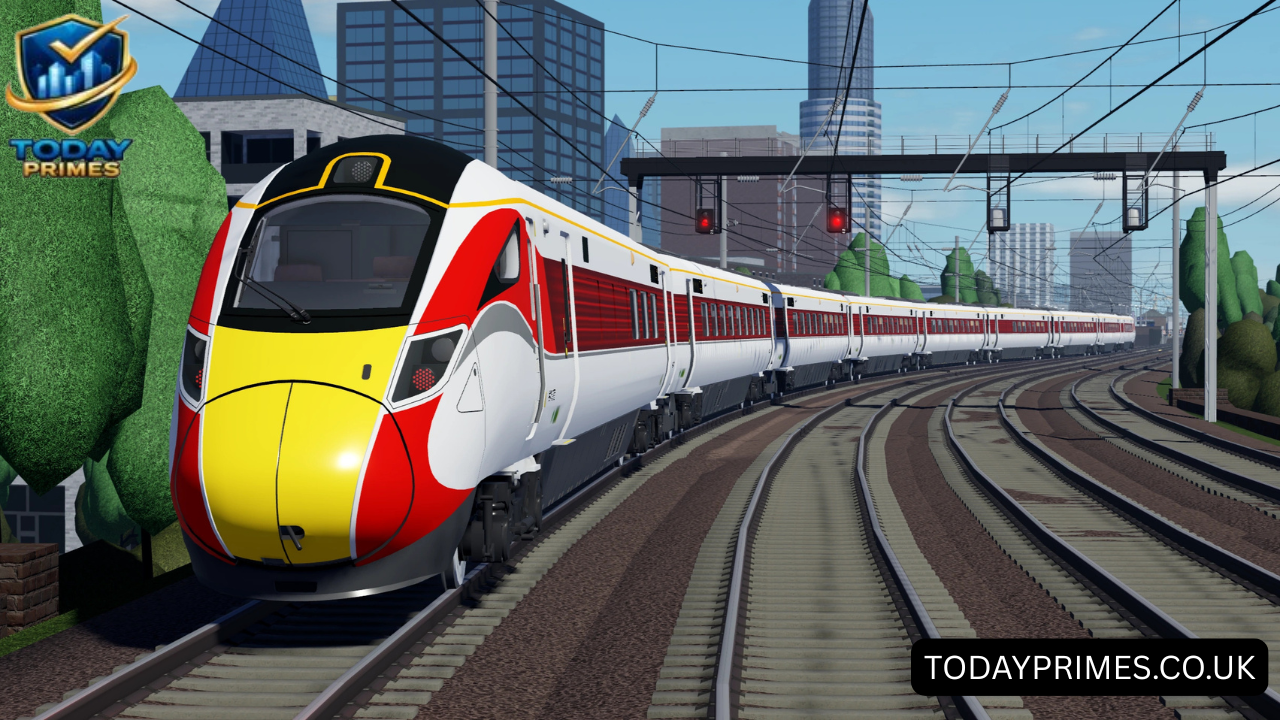
The class 801 is a modern electric train that has become a defining feature of long-distance rail travel in the United Kingdom. Designed for speed, comfort, and efficiency, it represents a significant upgrade from older intercity rolling stock. Passengers often associate this train with smoother journeys, quieter operation, and improved reliability on some of the country’s busiest mainline routes.
Developed as part of a wider modernisation programme, the class 801 was created to meet growing demand for fast and environmentally responsible travel. Its electric-only design aligns with national goals to reduce emissions while maintaining high performance. As a result, this train has earned a strong reputation among both everyday travellers and rail enthusiasts.
History and Development of the British Rail Class 801
The British Rail Class 801 was introduced through the Intercity Express Programme, an initiative aimed at replacing ageing high-speed trains with advanced, future-ready units. Built by Hitachi Rail, the trains combine Japanese engineering principles with British operational requirements. Manufacturing took place in the UK, supporting local industry and skills development.
From the outset, the class 801 was designed as a fully electric unit, unlike some related models that include diesel capability. This focus reflected the increasing electrification of major routes and the desire for lower operating costs. Since entering service, the train has proven to be dependable and well suited to intensive intercity schedules.
Operators and Routes Across the UK
The primary operator of the class 801 is London North Eastern Railway, where it runs under the Azuma brand. These trains operate extensively on the East Coast Main Line, linking London with major cities such as Leeds, York, and Newcastle. Their introduction has helped modernise services and improve punctuality.
Searches sometimes mention class 801 gwr, but it is important to note that Great Western Railway does not operate this train type. Instead, the class 801 is firmly associated with LNER routes, where full electrification allows it to operate at maximum efficiency. This clear deployment strategy helps maintain consistent service quality.
Technical Specifications and Performance
In terms of performance, the class 801 is built for high-speed intercity travel. It uses overhead electric power to deliver strong acceleration and stable running at speed. The class 801 top speed reaches up to 125 miles per hour, enabling competitive journey times between major urban centres across England.
There are two main variants, known as class 801/1 and class 801/2, which differ mainly in train length and seating capacity. Both versions share the same core systems, including advanced braking and safety technology. This standardisation simplifies maintenance while ensuring reliable performance across the entire fleet.
Design, Cab, and Interior Layout
The exterior design of the class 801 is both practical and visually striking. Its streamlined shape reduces aerodynamic drag while giving the train a modern, recognisable appearance. Inside the class 801 cab, drivers benefit from digital displays, ergonomic controls, and enhanced visibility, all of which support safe and efficient operation.
Passenger comfort is a central focus of the class 801 interior. Spacious seating, large windows, and well-planned layouts create a relaxed travel environment. Facilities such as luggage storage, power sockets, and accessible areas ensure the train meets the needs of a wide range of passengers, from commuters to long-distance travellers.
Comparison with Other Azuma Trains
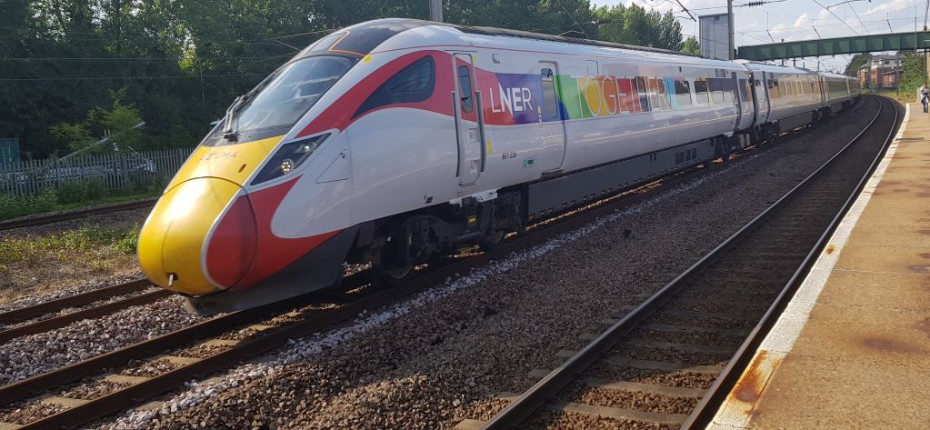
When compared with other Azuma models, the class 801 stands out due to its electric-only operation. Unlike the Class 800, which can switch to diesel on non-electrified routes, this train relies entirely on electric infrastructure. This results in quieter journeys and lower emissions, especially on busy mainline corridors.
The class 801 is also often compared with the Class 802, which is designed for routes with limited electrification. While the overall design and passenger experience are similar, the electric focus of the class 801 makes it particularly well suited to routes with continuous overhead power supply.
Class 801 in Rail Enthusiast Culture and Modelling
Beyond its role in passenger service, the class 801 has captured the interest of rail enthusiasts and modellers. Detailed replicas, such as the Hornby class 801 models, allow hobbyists to recreate modern rail scenes at home. These models are valued for their accuracy and attention to detail.
The train frequently appears in rail photography, online videos, and simulations, reflecting its popularity within the enthusiast community. Its sleek design and association with high-speed travel make it a favourite subject. This cultural presence helps maintain long-term interest in the class 801 beyond everyday operations.
Conclusion on the Importance of the Class 801
The class 801 represents a significant step forward in UK rail travel, combining speed, comfort, and sustainability in a single platform. Its electric-only design demonstrates how modern trains can meet environmental targets without compromising performance. For many passengers, it has redefined expectations of intercity journeys.
As electrification continues to expand, the class 801 is likely to remain a central part of the national rail network. Its success highlights the benefits of investing in advanced rolling stock that is designed for long-term use. Overall, this train stands as a symbol of a cleaner, faster, and more reliable railway future.
Frequently Asked Questions
What is the Class 801 train?
The class 801 is a modern electric multiple unit designed for high-speed intercity travel on the UK rail network, mainly operating under LNER.
Who operates the Class 801?
The class 801 is operated by London North Eastern Railway on long-distance routes along the East Coast Main Line.
What is the top speed of the Class 801?
The class 801 top speed is up to 125 miles per hour, making it suitable for fast intercity services.
Is the Class 801 used by GWR?
No, despite some online searches, the class 801 is not used by Great Western Railway and is exclusive to LNER operations.
What is the difference between Class 801/1 and Class 801/2?
The main difference lies in train length and seating capacity, while both versions share the same electric technology.
Who manufactures the British Rail Class 801?
The British Rail Class 801 is manufactured by Hitachi Rail as part of the Intercity Express Programme.
What is the Class 801 interior like?
The class 801 interior offers spacious seating, modern facilities, and a comfortable environment designed for long-distance journeys.
Is there a Hornby Class 801 model available?
Yes, Hornby produces detailed Class 801 models that are popular with railway modellers and enthusiasts.
What routes does the LNER Class 801 operate on?
The LNER class 801 mainly runs on the East Coast Main Line, connecting London with major cities such as Leeds, York, and Newcastle.
Also Read: pelican crossing meaning