
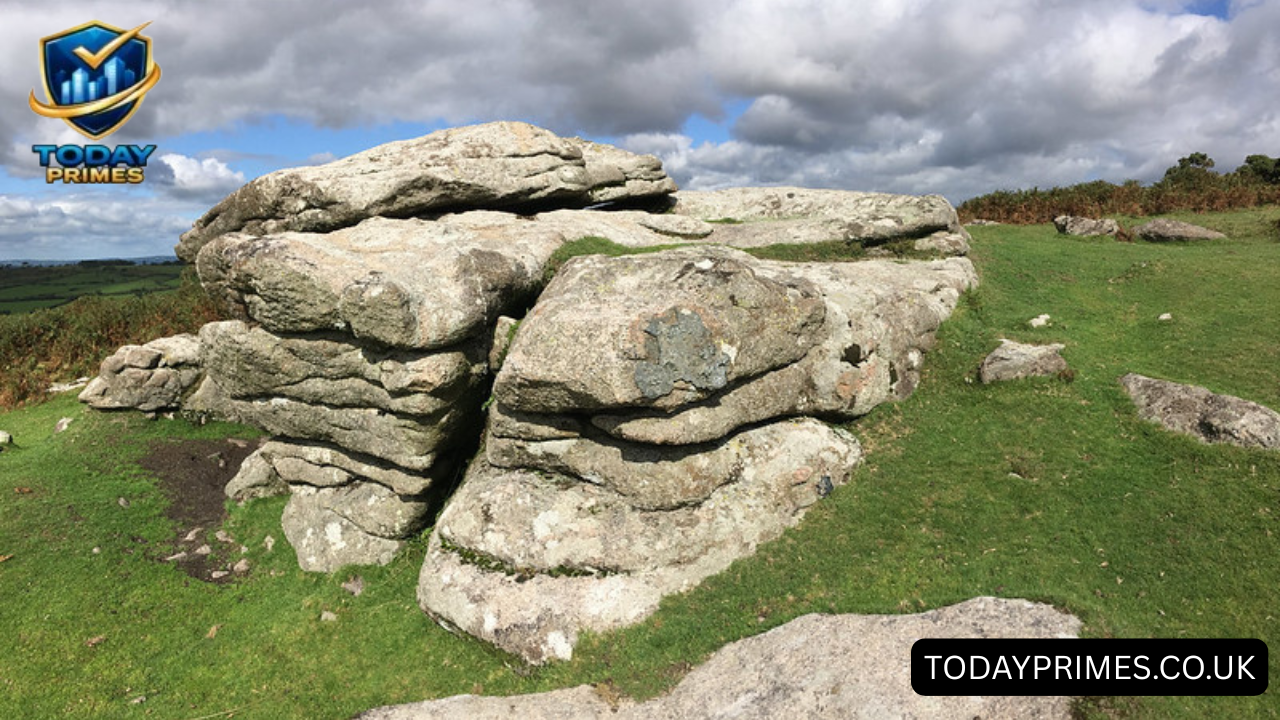
Hawks Tor is a striking granite tor located on the quieter north-eastern edge of Bodmin Moor, offering visitors a blend of rugged beauty, open skies, and deep-rooted history. Unlike busier Cornish landmarks, this tor remains relatively peaceful, making it ideal for walkers who value solitude and natural drama. The landscape feels raw and authentic, shaped by weather, time, and human activity.
This guide explores Hawks Tor in detail, covering its location, walking routes, historical features, and practical visitor information. Whether you are researching a future walk or simply learning more about Cornwall’s lesser-known landmarks, Hawks Tor stands out as a rewarding destination with layers of interest beyond its rocky summit.
Where Is Hawks Tor and Why Its Location Matters
Hawks Tor is situated on Bodmin Moor in Cornwall, within the civil parish of Blisland. It lies several miles north-east of Bodmin and is surrounded by wide expanses of moorland, streams, and gently sloping valleys. This setting gives the tor a feeling of remoteness while remaining accessible from nearby villages and country lanes.
Understanding where Hawks Tor is located is important, as it is sometimes confused with tors on Dartmoor. This Cornish tor sits firmly within Bodmin Moor, a landscape known for its open character, ancient routes, and quieter atmosphere. Accurate location planning helps visitors make the most of their journey and avoid navigation mistakes.
Hawks Tor Bodmin Moor Landscape and Elevation
Rising to just over 300 metres above sea level, Hawks Tor may not be the highest point on Bodmin Moor, but its prominence is enhanced by the openness of the surrounding land. Granite outcrops form distinctive shapes that catch the light and shadow, creating dramatic views throughout the day and across changing seasons.
The moorland landscape around Hawks Tor supports grazing livestock, hardy vegetation, and birdlife adapted to exposed conditions. Heather, grasses, and moss soften the granite edges, while wide horizons give a strong sense of space. This combination of height and openness makes the tor visually impressive despite its modest elevation.
Walking Routes and the North Hill to Hawks Tor Walk
Walking is one of the main reasons people visit Hawks Tor, with routes that appeal to both casual walkers and experienced hikers. Paths are often informal, crossing open moorland rather than following well-defined trails, which adds to the sense of exploration and connection with the land.
The North Hill to Hawks Tor walk is especially popular, following historic trade routes through the Lynher Valley. This circular walk offers gentle climbs, varied scenery, and panoramic views, making it an excellent choice for those wanting a balanced walk that combines natural beauty with historical context.
Hawks Tor Pit and Quarry History
The landscape around Hawks Tor has been shaped not only by natural forces but also by human industry. China clay extraction and quarrying once played a significant role in this area, leaving behind pits and altered ground that remain visible today. These features form an important part of the tor’s story.
Over time, the former quarry areas have blended back into the moor, now covered with grasses and mosses. Walking through these sections provides insight into Cornwall’s industrial past while highlighting how nature gradually reclaims disturbed land, creating a layered and evolving landscape.
RAF Hawks Tor and Wartime Significance
During the Second World War, Hawks Tor gained strategic importance as the site of a radar station operated by the Royal Air Force. RAF Hawks Tor was part of a wider defensive network designed to detect low-flying aircraft approaching the south-west coast of England.
Although most of the wartime structures have disappeared, subtle remains can still be identified by knowledgeable visitors. This military heritage adds historical depth to Hawks Tor, reminding walkers that even remote moorland locations once played a vital role in national defence.
Hawks Tor Reservoir and Water Management
Near Hawks Tor lies a former china clay pit that has been transformed into the Hawks Tor reservoir. This redevelopment represents a practical reuse of industrial land, supporting regional water supply while reducing environmental impact. The reservoir forms part of a wider water management strategy in Cornwall.
The reservoir capacity is designed to help meet local demand, particularly during dry periods. While access may be restricted, the presence of water has changed the surrounding environment, encouraging wildlife and adding a new visual element to the traditionally dry moorland setting.
Visiting Hawks Tor Parking, Driving and Access Tips
Accessing Hawks Tor requires some planning, as parking options are limited and largely informal. Walkers often use roadside spaces near North Hill or approach via lanes from Lewannick, both of which involve narrow roads typical of rural Cornwall.
Visitors should prepare for exposed conditions by wearing suitable footwear and carrying weather-appropriate clothing. Navigation skills are important, especially in poor visibility, as the open moorland offers few landmarks. Careful preparation ensures a safe and enjoyable visit to Hawks Tor.
Hawks Tor Cornwall and Common Confusions

Hawks Tor Cornwall is sometimes mistakenly linked with Dartmoor due to similar naming conventions. However, this tor is firmly located on Bodmin Moor, which has a distinct character and atmosphere of its own. Clarifying this difference is essential for accurate travel planning.
Bodmin Moor generally feels quieter and less commercial than Dartmoor, appealing to walkers seeking a more secluded experience. Hawks Tor benefits from this setting, offering a sense of discovery and calm that contrasts with busier moorland destinations elsewhere in the south west.
Modern References and Name Recognition
The name Hawks Tor occasionally appears in modern contexts unrelated to geography, such as product names like Seasalt Hawks Tor jeans. These references often draw inspiration from Cornwall’s rugged landscapes and outdoor heritage rather than the location itself.
Such uses can cause confusion in online searches, but clear informational content helps distinguish between branding and place-based interest. For visitors, the real Hawks Tor remains a physical landscape shaped by granite, history, and open moorland rather than a commercial concept.
Conclusion Why Hawks Tor Is Worth Exploring
Hawks Tor offers a unique blend of natural beauty, history, and tranquillity that captures the essence of Bodmin Moor. From its granite summit and sweeping views to its industrial and military past, the tor rewards visitors who take time to explore its many layers.
Whether you are drawn by walking routes, historical curiosity, or a desire for quiet landscapes, Hawks Tor provides an authentic Cornish moorland experience. It remains a destination best enjoyed with respect for its environment and appreciation for its understated character.
Frequently Asked Questions
What is Hawks Tor
Hawks Tor is a granite hill on Bodmin Moor in Cornwall known for walking, views, and history.
Where is Hawks Tor located
Hawks Tor is located on Bodmin Moor near Blisland, north-east of Bodmin in Cornwall.
How high is Hawks Tor
Hawks Tor stands at just over 300 metres above sea level.
Is Hawks Tor good for walking
Yes, Hawks Tor is popular for scenic walks, including the North Hill to Hawks Tor route.
Can you drive to Hawks Tor
You can drive close to Hawks Tor using rural lanes, but final access is on foot.
Is there parking near Hawks Tor
Parking is informal and limited, usually along quiet roadside areas.
What is Hawks Tor reservoir
Hawks Tor reservoir is a redeveloped former quarry used for local water storage.
Was there a quarry at Hawks Tor
Yes, Hawks Tor had china clay quarrying activity in the past.
What was RAF Hawks Tor
RAF Hawks Tor was a WWII radar station used to detect low-flying aircraft.
Is Hawks Tor on Dartmoor
No, Hawks Tor is on Bodmin Moor in Cornwall, not Dartmoor.
Also Read: browndown battery