
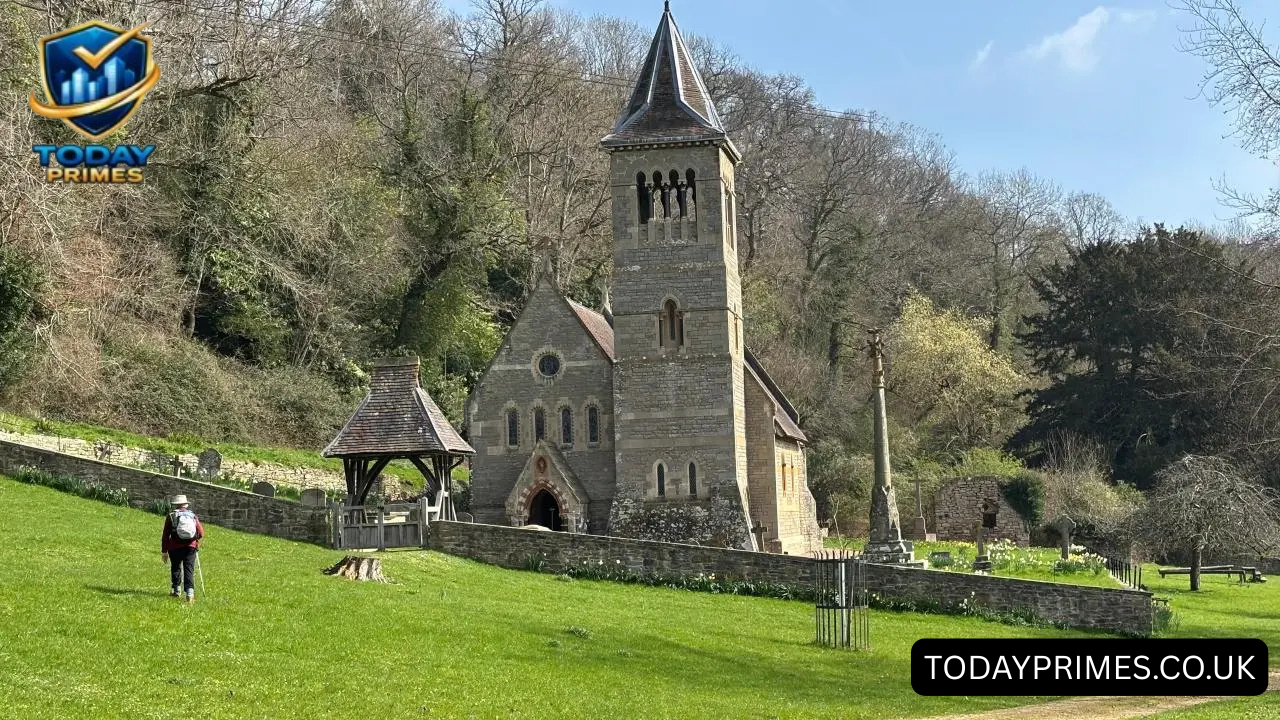
Welsh Bicknor is a small but fascinating rural parish that often captures attention because of its misleading name. Many people assume it lies in Wales, yet Welsh Bicknor is firmly located in England, within the county of Herefordshire. This curiosity makes it a popular search topic and a destination for visitors interested in border history, countryside living, and traditional English parishes shaped by complex past boundaries.
Despite its quiet appearance, Welsh Bicknor has a strong sense of identity rooted in geography and history. Surrounded by natural beauty and defined by the River Wye, the parish offers more than first impressions suggest. From historic estates to peaceful walking routes, Welsh Bicknor continues to attract those looking for authentic rural experiences in the borderlands.
Location and Natural Setting of Welsh Bicknor
Welsh Bicknor is situated in the far south of Herefordshire, close to the English–Welsh border but entirely within England. The parish lies within a sweeping loop of the River Wye, placing it in the heart of the Wye Valley. This area is widely valued for its dramatic landscapes, rolling hills, and wooded slopes that frame the village beautifully.
The surrounding countryside gives Welsh Bicknor a secluded and timeless feel. Farmland, riverside paths, and quiet lanes dominate the landscape, making it ideal for walkers and nature lovers. Its position within an Area of Outstanding Natural Beauty ensures the environment remains largely unspoilt, preserving the peaceful atmosphere that defines everyday life in Welsh Bicknor.
The Historical Roots of Welsh Bicknor
The history of Welsh Bicknor explains why its name causes confusion today. For centuries, the parish was a detached part of Monmouthshire, a county historically associated with Wales. During this period, Welsh Bicknor was governed separately from Herefordshire, strengthening its perceived Welsh identity and influencing how it was recorded in historical documents.
In 1844, boundary reforms officially transferred Welsh Bicknor into Herefordshire, placing it firmly within England. Although administration changed, the name remained untouched. This decision preserved the parish’s historical identity and created the unique situation seen today, where Welsh Bicknor carries a Welsh name despite being English in both law and geography.
Life and Community in Welsh Bicknor Today
Modern Welsh Bicknor is a small, close-knit rural community shaped by agriculture and tourism. Farming remains an important part of daily life, while visitors contribute to the local economy through walking holidays, cycling trips, and countryside retreats. The parish retains a strong sense of privacy and calm, with limited development preserving its traditional character.
Community life revolves around seasonal rhythms, outdoor activity, and local heritage. Residents value the tranquillity and slower pace of life that Welsh Bicknor offers. While it may lack shops or busy centres, the parish compensates with strong community ties, scenic surroundings, and a deep connection to its landscape and past.
Welsh Bicknor Youth Hostel and Camping Experience
One of the most well-known features of the area is YHA Welsh Bicknor, located beside the River Wye. The hostel provides affordable accommodation for walkers, cyclists, families, and school groups exploring the Wye Valley. Its riverside setting makes it especially popular during warmer months.
In addition to indoor accommodation, camping options are available nearby through the Welsh Bicknor YHA campsite. This allows visitors to experience the countryside more closely while still having access to essential facilities. Together, the hostel and campsite have helped establish Welsh Bicknor as a key stop for outdoor tourism in the region.
Welsh Bicknor Walks and Outdoor Activities
Welsh Bicknor walks are among the main reasons people visit the parish. Footpaths follow the River Wye, pass through woodland, and climb surrounding hills, offering varied routes for different abilities. Walks towards Coppett Hill are especially popular, providing elevated views across the valley and into neighbouring countryside.
Beyond walking, the area supports a range of outdoor activities. Canoeing on the River Wye, birdwatching, and cycling are all common pursuits. The peaceful environment encourages slow exploration, making Welsh Bicknor ideal for visitors who prefer nature-based activities over crowded attractions or fast-paced tourism.
Welsh Bicknor Bridge and Local Landmarks
Welsh Bicknor Bridge is a notable local feature that connects routes across the River Wye. Historically, it played an important role in travel and transport within the parish. Today, the bridge adds visual character to the landscape and is frequently photographed by visitors exploring riverside paths.
Other landmarks contribute to the parish’s quiet charm. Historic farm buildings, ancient tracks, and boundary features reflect centuries of rural use. These understated details may not be widely known, but they help preserve the sense of continuity that makes Welsh Bicknor feel rooted firmly in its past.
St Margaret’s Church and Courtfield Estate
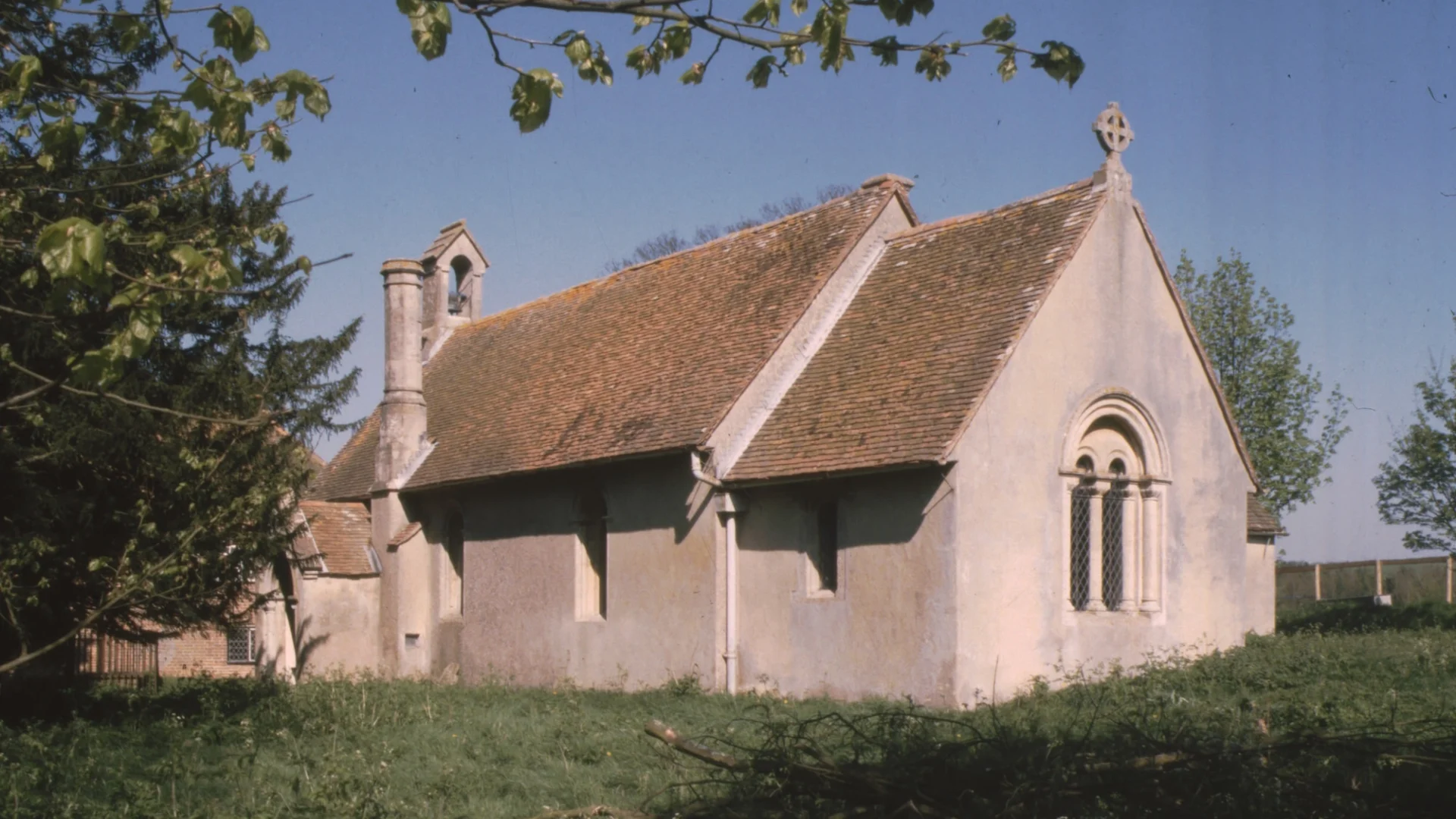
St Margaret’s Church, Welsh Bicknor stands as a central point of heritage within the parish. The church reflects generations of local worship and community gathering, with architectural features that reveal different historical periods. Its peaceful setting adds to its importance as both a spiritual and cultural landmark.
Nearby, Courtfield Estate holds deep historical and religious significance. Long associated with Catholic history, Courtfield has influenced the cultural development of Welsh Bicknor for centuries. The estate remains an important symbol of the parish’s unique religious and historical identity.
Why Welsh Bicknor Continues to Attract Visitors
Welsh Bicknor continues to draw interest because it combines history, landscape, and tranquillity in one location. Its name sparks curiosity, while its setting delivers peaceful countryside experiences. Visitors often come to understand why Welsh Bicknor is not in Wales and leave with a deeper appreciation of borderland history.
Whether staying at the youth hostel, enjoying Welsh Bicknor walks, or exploring local landmarks, the parish offers a reflective escape from modern pressures. Welsh Bicknor proves that small rural communities can hold remarkable depth, offering meaningful connections to England’s landscape, heritage, and evolving identity.
Frequently Asked Questions
What is Welsh Bicknor?
Welsh Bicknor is a rural parish in Herefordshire, England, located within a loop of the River Wye.
Is Welsh Bicknor in Wales?
No, Welsh Bicknor is in England, although it was historically linked to the Welsh county of Monmouthshire.
Why is it called Welsh Bicknor?
The name comes from its historical association with Wales before boundary changes placed it in Herefordshire.
Where is Welsh Bicknor located?
Welsh Bicknor is situated in the far south of Herefordshire, close to the English–Welsh border.
Is there a youth hostel in Welsh Bicknor?
Yes, Welsh Bicknor has a well-known youth hostel popular with walkers and cyclists.
Can you go camping in Welsh Bicknor?
Yes, camping is available near the youth hostel, offering riverside countryside stays.
Are there good walks in Welsh Bicknor?
Yes, Welsh Bicknor walks are popular, especially routes along the River Wye and nearby hills.
What is Welsh Bicknor Bridge?
Welsh Bicknor Bridge is a historic river crossing over the River Wye.
Is there a church in Welsh Bicknor?
Yes, St Margaret’s Church is the main historic church serving the parish.
What is Courtfield in Welsh Bicknor?
Courtfield is a historic estate with strong religious and cultural significance in the area.
Also Read: scottish junior cup final