
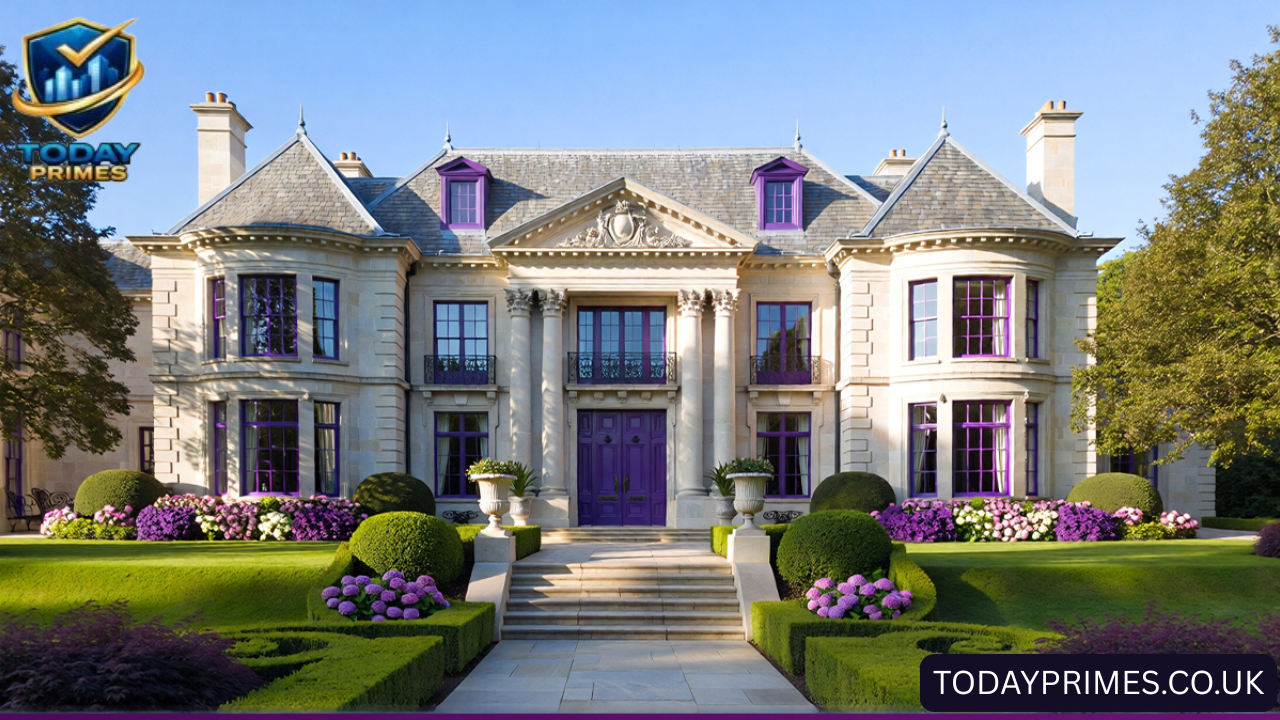
The mansion tax has once again become a central issue in UK property and political discussions, as rising house prices continue to expose weaknesses in the current council tax system. Many homeowners now live in properties that have increased dramatically in value over the past two decades, yet their annual tax contributions have not risen proportionately. This imbalance has renewed calls for reform.
Against this backdrop, the mansion tax is being presented as a targeted solution rather than a broad-based tax rise. By focusing on high-value homes, policymakers aim to address property wealth inequality while protecting ordinary households. As debate intensifies ahead of future budgets, understanding how the mansion tax works has become increasingly important.
What Is the Mansion Tax and Why It Matters
The mansion tax is a proposed annual levy on residential properties in England valued at £2 million or more. Unlike stamp duty, which is paid only when a property is bought, this tax would be charged every year, reflecting the ongoing value of owning a high-end home. It is designed to sit alongside existing council tax rather than replace it.
This proposal matters because it challenges the long-standing structure of property taxation in the UK. Supporters argue that the mansion tax introduces fairness by ensuring that owners of the most valuable homes contribute more. Critics, however, worry about valuation disputes and the impact on homeowners with limited cash flow.
How the New Mansion Tax Will Work in England
Under current proposals, the mansion tax would apply only once a property’s market value exceeds the £2 million threshold. Charges are expected to be set in bands, meaning higher-value properties would pay more each year. This tiered approach aims to avoid a one-size-fits-all system and better reflect variations in property wealth.
Regular property revaluations are likely to be a key feature of how the mansion tax operates. This would ensure that homes are taxed according to up-to-date market values rather than historic assessments. While this improves accuracy, it also raises concerns about administrative complexity and potential disputes over valuations.
Mansion Tax and Council Tax Compared
Council tax in England is still based on property values from the early 1990s, a fact that has long attracted criticism. As a result, many expensive properties pay relatively modest amounts compared to their true market worth. This outdated structure is one of the main reasons the mansion tax has gained renewed attention.
The mansion tax is intended to correct this imbalance without overhauling council tax entirely. By adding a surcharge for high-value homes, the system targets wealth at the top end while leaving most households unaffected. Together, council tax and the mansion tax would form a more graduated approach to property taxation.
Rachel Reeves and Labour’s Mansion Tax Policy
The current focus on the mansion tax is closely linked to Labour’s economic plans and the influence of Rachel Reeves. She has framed the policy as part of a wider effort to restore stability to public finances while avoiding increases to income tax for working people.
Labour’s messaging around the mansion tax emphasises responsibility and fairness rather than punishment. Reeves has argued that property wealth should play a role in funding public services, particularly when other taxes are under pressure. This positioning has helped bring the mansion tax back into mainstream political debate.
Mansion Tax and the Budget 2025 Context

Although no final legislation has yet been confirmed, the mansion tax is widely expected to feature in discussions linked to Budget 2025. Early signals suggest a cautious approach, with consultation periods and delayed implementation designed to give homeowners time to adapt to the new system.
Within the broader budget framework, the mansion tax is seen as one element of a long-term strategy to modernise taxation. Analysts are closely watching how announcements affect confidence in the property market, particularly in areas where high-value homes are concentrated.
Financial Impact of the Mansion Tax on Homeowners
For those affected, the mansion tax represents a new recurring expense that must be planned for each year. Depending on valuation bands, annual charges could amount to several thousand pounds, making it a significant consideration for household budgeting and long-term financial planning.
There is particular concern for asset-rich but income-poor homeowners, such as retirees living in valuable properties. Policymakers have acknowledged this issue, and discussions around deferrals or reliefs suggest that protections may be built into the final design of the mansion tax.
Regional Effects Across England
The impact of the mansion tax will not be evenly spread across England. London, the South East, and certain commuter regions are likely to see the highest concentration of affected properties due to elevated house prices. In contrast, many northern and rural areas may see little direct impact.
This regional variation has sparked debate about geographic fairness. Supporters argue that the mansion tax reflects real differences in property wealth, while critics worry about overburdening specific regions. Despite this, the policy remains focused on value rather than location.
The Future of Property Taxation in the UK
The introduction of the mansion tax could mark a turning point in how property wealth is treated in the UK tax system. It signals a move away from reliance on outdated valuations and towards a more dynamic approach that reflects current market realities.
Whether the mansion tax succeeds will depend on careful implementation, transparency, and public trust. As consultations continue and details are refined, the policy is likely to shape discussions about housing, fairness, and taxation for years to come.
Frequently Asked Questions
What is the mansion tax in the UK?
The mansion tax is a proposed annual charge on homes in England valued at £2 million or more, added on top of council tax.
Who will need to pay the mansion tax?
Only homeowners whose properties exceed the £2 million valuation threshold would be required to pay it.
How is the mansion tax different from council tax?
Council tax is based on old valuation bands, while the mansion tax targets current high-value properties specifically.
When is the mansion tax likely to be introduced?
It is expected to be discussed around Budget 2025, with implementation likely later in the decade.
Why is the mansion tax controversial?
Supporters see it as fair, while critics worry about valuations, regional impact, and cash-poor homeowners.
Also Read: tapton terrace