
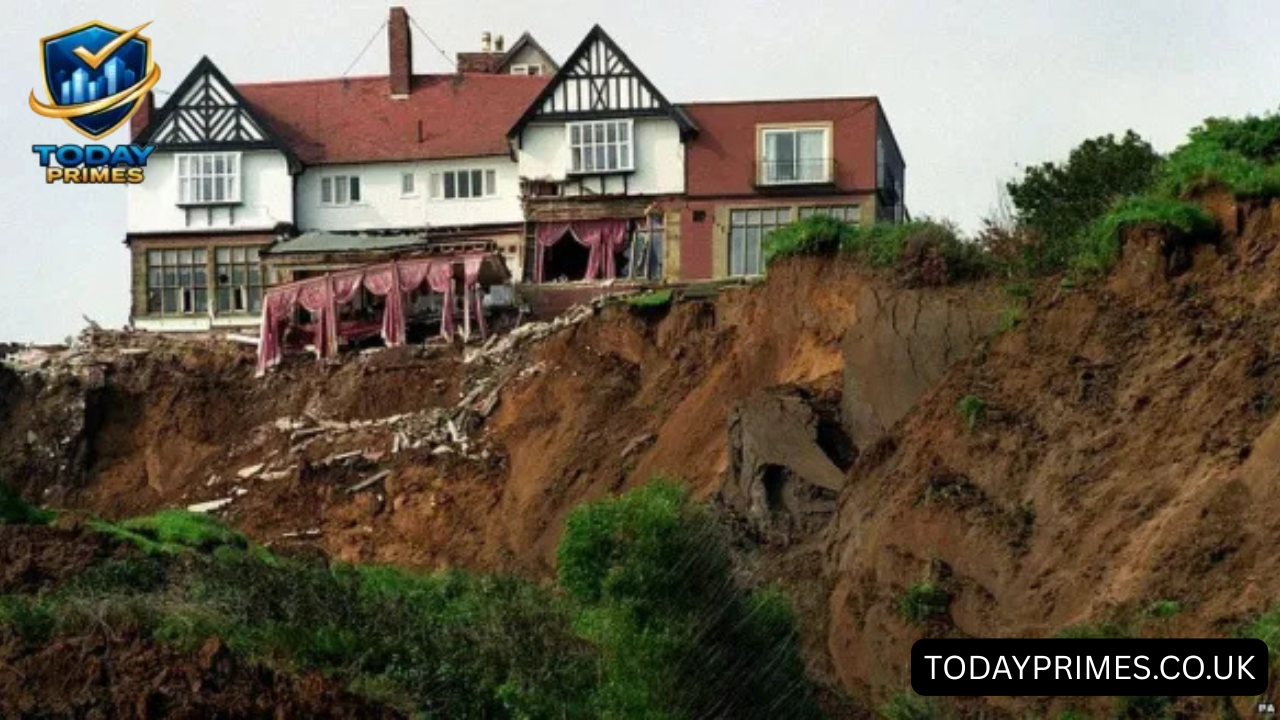
The story of the Holbeck Hall Hotel is one of coastal beauty, ambition, and sudden loss. Once a well-known landmark overlooking Scarborough’s South Bay, the hotel became part of national conversation after a dramatic landslide changed its fate forever. Its history blends hospitality, geography, and risk, making it one of the UK’s most discussed coastal sites.
Interest in the Holbeck Hall Hotel remains strong decades later because its story feels both local and universal. It highlights how human development interacts with natural landscapes, sometimes with devastating consequences. From tourism success to structural collapse, the hotel’s journey continues to fascinate historians, geographers, and the general public alike.
Holbeck Hall Hotel Scarborough: Location and Geography
The Holbeck Hall Hotel stood on the cliffs above Scarborough’s South Bay, offering sweeping views across the North Sea. This elevated position made it attractive to visitors and ideal for a luxury seaside retreat. However, the dramatic setting also placed the hotel on land known for instability and long-term coastal erosion.
The geology of the area played a crucial role in the hotel’s fate. The cliffs consist largely of glacial deposits and weak sedimentary layers that are prone to movement when saturated with water. Over time, rainfall and poor drainage increased pressure within the cliff, quietly setting the stage for disaster.
Holbeck Hall Hotel Before the Landslide
Before 1993, the Holbeck Hall Hotel was a respected part of Scarborough’s tourism industry. It offered comfortable accommodation, dining facilities, and sea-facing rooms that appealed to holidaymakers and business guests. The hotel was often praised for its views and peaceful atmosphere, making it a popular destination along the Yorkshire coast.
The hotel was owned and managed with confidence in its long-term future. Although minor ground movement had been noted in the area, there was little public awareness of serious risk. For guests and staff alike, the Holbeck Hall Hotel appeared stable, established, and firmly rooted in Scarborough’s landscape.
The Holbeck Hall Hotel Landslide Disaster
In June 1993, conditions beneath the Holbeck Hall Hotel changed rapidly after prolonged rainfall. Cracks appeared in the ground and building, signalling accelerating movement within the cliff. Shortly afterwards, a massive landslide caused a large section of the hotel to collapse down the slope towards the sea.
Emergency services acted quickly, evacuating guests and staff before the main collapse occurred. The dramatic images broadcast by the media showed the scale of destruction and shocked viewers across the UK. Although no confirmed deaths occurred, the incident left a lasting emotional and financial impact on everyone involved.
Holbeck Hall Hotel Before and After the Landslide
Before the landslide, the Holbeck Hall Hotel stood proudly above the bay, surrounded by lawns and appearing solid against the coastal backdrop. Its position suggested permanence and security, qualities that reassured guests and reinforced its reputation as a safe and desirable place to stay.
After the landslide, the contrast was stark and unsettling. Large portions of the building were lost, along with significant sections of land. Photographs of the Holbeck Hall Hotel before and after the event became iconic, symbolising the unpredictable power of coastal erosion and mass movement.
What Happened to the Holbeck Hall Hotel After
Following the collapse, engineers assessed the remaining structure of the Holbeck Hall Hotel and declared it unsafe. Stabilising the cliff and rebuilding the hotel were considered unrealistic due to cost and ongoing geological risk. As a result, the decision was made to demolish what remained of the building.
Over time, the site was reshaped and secured to reduce further landslip risk. Today, little physical evidence of the hotel remains, yet the location continues to attract visitors interested in its history. The absence of the building only strengthens the impact of its story.
Holbeck Hall Hotel v Scarborough Borough Council
After the disaster, the owners of the Holbeck Hall Hotel took legal action against Scarborough Borough Council. They argued that failures in drainage maintenance above the site contributed to the landslide and the destruction of the hotel. The case attracted national attention due to its wider implications.
In 2000, the court ruled in favour of the council, concluding that the landslide was caused by natural geological processes rather than negligence. This judgment became significant in UK planning law, influencing how responsibility is assessed in cases involving coastal erosion and natural land instability.
Holbeck Hall Hotel Landslide Case Study

The Holbeck Hall Hotel disaster is now widely used as a geography case study across the UK. Students examine it to understand mass movement, cliff erosion, and the interaction between human development and natural processes. It provides a real-world example with clear causes and consequences.
The case study also encourages discussion about climate, rainfall patterns, and coastal management. As extreme weather becomes more common, the lessons learned from the Holbeck Hall Hotel remain highly relevant. It demonstrates why careful planning and risk assessment are essential in vulnerable environments.
Holbeck Hall Hotel Now and Its Legacy
Today, the Holbeck Hall Hotel exists mainly through photographs, documentaries, and educational material. The site itself is open land, offering coastal views without the structure that once dominated the skyline. Visitors often pause to reflect on what once stood there.
The legacy of the Holbeck Hall Hotel is powerful and enduring. It serves as a reminder of nature’s strength and the limits of engineering in unstable landscapes. Its story continues to influence coastal development policies and public awareness throughout the UK.
Conclusion
The rise and fall of the Holbeck Hall Hotel tell a compelling story of ambition meeting natural force. From a thriving seaside hotel to a dramatic example of coastal collapse, its history captures public imagination and professional interest alike. It remains one of Scarborough’s most significant historical sites.
Long after its disappearance, the Holbeck Hall Hotel continues to educate and warn. Its story reminds us that beautiful locations can conceal serious risks, and that understanding geography is essential when building near the coast. The lessons learned remain as important today as ever.
Frequently Asked Questions
What happened to the Holbeck Hall Hotel?
The Holbeck Hall Hotel was destroyed after a major landslide in June 1993 caused part of the building to collapse down the cliff.
Where was the Holbeck Hall Hotel located?
The Holbeck Hall Hotel was located on the cliffs overlooking South Bay in Scarborough, North Yorkshire.
When did the Holbeck Hall Hotel landslide occur?
The landslide occurred in June 1993 following prolonged heavy rainfall and ground instability.
Were there any deaths in the Holbeck Hall Hotel disaster?
There were no confirmed deaths as guests and staff were evacuated before the main collapse.
Why was the Holbeck Hall Hotel never rebuilt?
The hotel was not rebuilt due to ongoing geological instability and the high cost of making the site safe.
What caused the Holbeck Hall Hotel landslide?
The landslide was caused by saturated glacial deposits, weak cliff geology, and natural coastal erosion.
What is Holbeck Hall Hotel v Scarborough Borough Council?
It was a legal case where the hotel owners sued the council, but the court ruled the landslide was due to natural causes.
Is the Holbeck Hall Hotel site accessible today?
Yes, the site is now open land and can be viewed from coastal paths in Scarborough.
Why is the Holbeck Hall Hotel used as a case study?
It is used in geography education to explain mass movement, coastal erosion, and land-use planning.
What remains of the Holbeck Hall Hotel today?
No buildings remain, but the site and its story continue to be remembered through photos and studies.
Also Read: emmanuel church west hampstead