
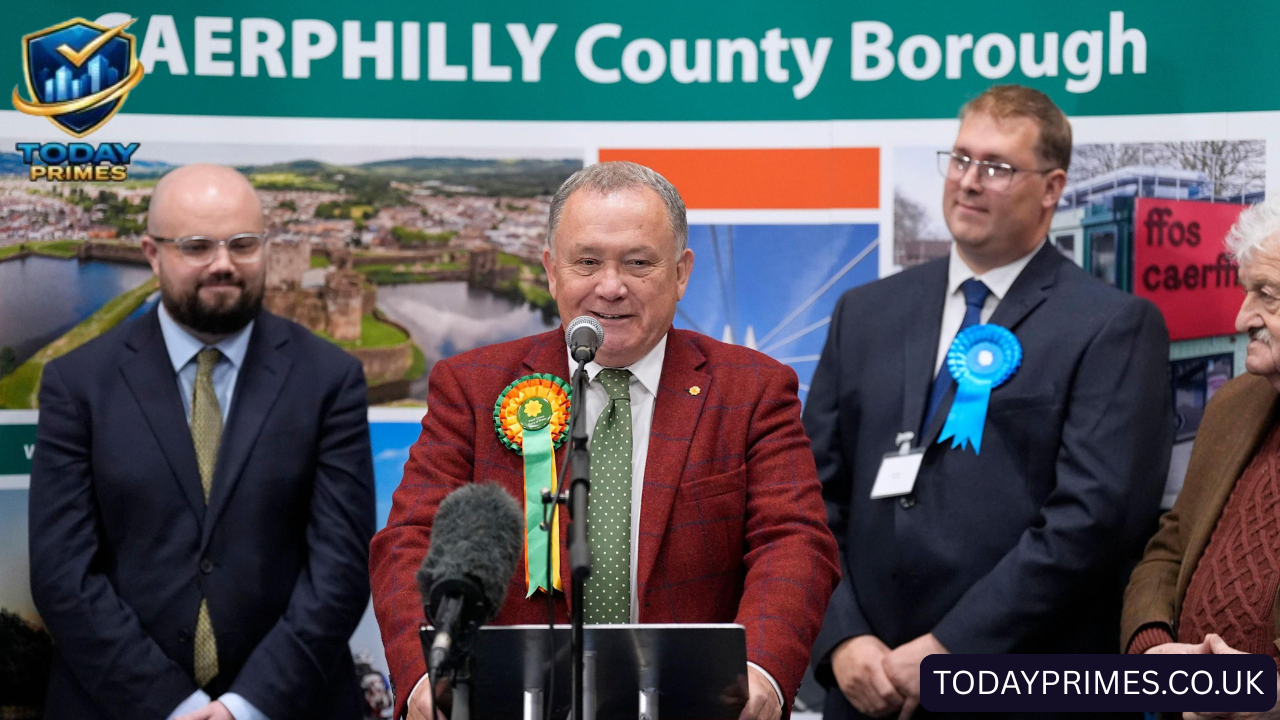
The Caerphilly by election of 2025 became a defining political moment, not only for the constituency itself but for Welsh politics as a whole. For more than a century, Caerphilly had been associated with Labour dominance, reflecting its industrial roots and strong party loyalties. This contest disrupted those assumptions and delivered a result that captured national attention.
Voters approached the Caerphilly by election with a mixture of frustration and optimism. Rising living costs, pressure on public services, and a sense of political disconnect shaped the mood on the ground. As polling day approached, it was increasingly clear that this by-election would be about more than filling a vacant seat.
Background and Political History of Caerphilly
Caerphilly has long held symbolic importance within Welsh politics. Traditionally viewed as a Labour heartland, the area’s electoral history was shaped by mining communities, trade unions, and collective political identity. For decades, election results followed predictable patterns, reinforcing the belief that Labour’s grip on the seat was secure.
However, the Caerphilly by election took place in a changing social and economic landscape. Generational shifts, evolving employment patterns, and greater political diversity altered the constituency’s character. These deeper changes laid the groundwork for a contest that would challenge historic voting habits and redefine local political expectations.
Why the Caerphilly By Election Was Called
The Caerphilly by election was triggered following the vacancy of the Senedd seat, creating an unexpected opportunity for voters to reassess their representation. By-elections often allow communities to express dissatisfaction more freely, and this contest arrived at a moment of heightened political sensitivity across Wales.
Timing played a crucial role in shaping the Caerphilly by election. Held against a backdrop of economic uncertainty and public sector strain, the vote became a platform for wider political expression. What might once have been a routine contest quickly evolved into a referendum on trust, leadership, and local priorities.
Campaign Themes and Local Issues
Local concerns dominated the Caerphilly by election campaign, with voters focusing on practical issues that affected daily life. Healthcare access, transport infrastructure, housing availability, and job security emerged as recurring themes during canvassing and public meetings. These issues cut across party lines and resonated strongly with undecided voters.
The campaign atmosphere was energetic and, at times, emotionally charged. Community halls, street corners, and online forums became spaces for debate and discussion. The Caerphilly by election demonstrated how local issues, when combined with broader political dissatisfaction, can mobilise voters and reshape electoral outcomes.
Candidates and Party Approaches
Several candidates contested the Caerphilly by election, each presenting distinct visions for the constituency’s future. Plaid Cymru focused on community representation, Welsh identity, and accountable governance. Their campaign emphasised listening to local voices and presenting practical solutions rooted in regional priorities.
In contrast, Labour Party faced the challenge of defending long-standing support amid growing voter frustration. Despite an established presence, Labour struggled to counter perceptions of complacency. Smaller parties and independents also played a role, adding complexity and unpredictability to the Caerphilly by election landscape.
Caerphilly By Election Results 2025 Explained
As counting began, anticipation surrounding the Caerphilly by election results grew rapidly. When the final numbers were announced, the outcome confirmed a historic shift. Plaid Cymru secured victory, marking the first time the party had won the seat and ending Labour’s century-long hold on Caerphilly.
The Caerphilly by election results revealed notable changes in voter behaviour. Support shifted among younger voters and traditional Labour supporters alike, while turnout suggested renewed political engagement. The scale of the result underlined that this was not a narrow protest vote but a decisive statement from the electorate.
Polling, Predictions and Public Expectations
In the weeks leading up to polling day, Caerphilly by election opinion polls suggested a closer contest than many expected. Some surveys hinted at Labour vulnerability, while others pointed to growing momentum behind Plaid Cymru. This uncertainty kept national media attention firmly focused on the constituency.
Predictions varied widely, reflecting the complex dynamics of the Caerphilly by election. Betting markets fluctuated as campaign developments unfolded, but few anticipated the scale of Labour’s defeat. The outcome highlighted the limitations of polling in capturing late shifts in voter sentiment.
Political Impact Across Wales
The impact of the Caerphilly by election extended far beyond local boundaries. For Plaid Cymru, the win strengthened its position as a credible force within the Senedd and signalled growing appeal beyond traditional strongholds. The result reinforced arguments for greater Welsh representation and policy autonomy.
For Labour, the Caerphilly by election served as a warning sign. Losing such a historically secure seat prompted serious internal reflection about messaging, leadership, and voter connection. Across Wales, parties began reassessing strategies in light of what the result revealed about changing political loyalties.
What the Caerphilly By Election Means for the Future
Looking ahead, the Caerphilly by election is likely to influence future campaigning across Wales. Parties will study the result carefully, examining how grassroots engagement, authenticity, and responsiveness translated into electoral success. Local trust, rather than historical allegiance, may now play a greater role in shaping outcomes.
Ultimately, the Caerphilly by election stands as a reminder that political landscapes are never static. When voters feel empowered to demand change, even the most established patterns can be disrupted. The events of 2025 may well mark the beginning of a more competitive and dynamic era in Welsh politics.
Frequently Asked Questions
When was the Caerphilly by election held?
The Caerphilly by election took place in October 2025 following a vacancy in the Senedd seat.
Who won the Caerphilly by election 2025?
Plaid Cymru won the Caerphilly by election, securing the seat from Labour for the first time.
Why was the Caerphilly by election important?
The Caerphilly by election was significant because it ended Labour’s more than 100-year dominance in the constituency.
What time were the Caerphilly by election results announced?
The Caerphilly by election results were announced overnight after votes were counted following polling day.
What were the main issues in the Caerphilly by election?
Key issues included the cost of living, healthcare services, transport, housing, and local representation.
Did opinion polls predict the Caerphilly by election result?
Opinion polls suggested a close race, but most underestimated the scale of Plaid Cymru’s victory.
How did the Caerphilly by election impact Welsh politics?
The result reshaped political expectations in Wales and raised questions about Labour’s strength in traditional heartlands.
Also Read: kayali vanilla 28