
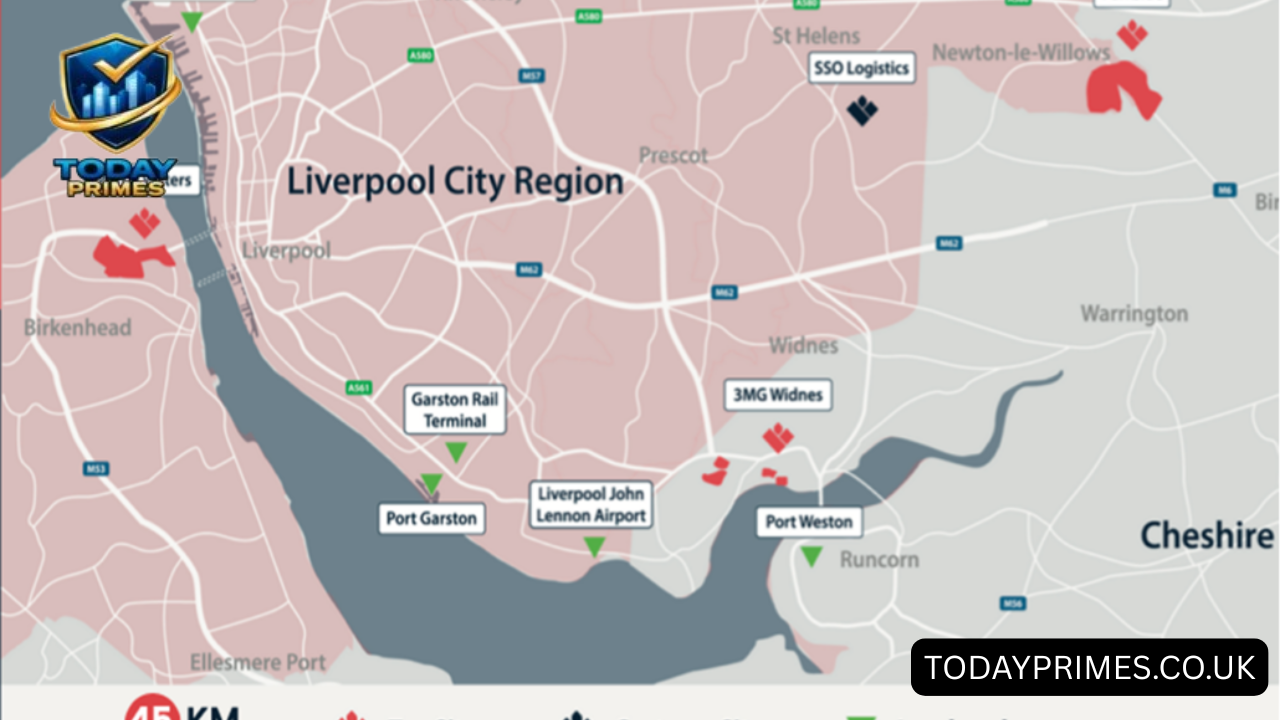
Searching for areas in liverpool city region usually means you want a clear, street-level sense of what life feels like across Liverpool, Sefton, Wirral, Knowsley, St Helens, and Halton. This region is compact enough to feel connected, yet varied enough that each borough offers a different rhythm, from waterfront city living to coastal calm and family suburbs.
This guide is designed to help you compare the best areas in Liverpool without relying on hearsay. You’ll find practical ways to weigh commute times, amenities, local character, and budget, alongside a fair approach to safety and reputation. Whether you’re moving for work, investing, or choosing student neighbourhoods, the goal is clarity, not clichés.
Liverpool City Region overview and how the boroughs connect
The Liverpool City Region is shaped by water, rail lines, and historic centres. Liverpool city centre anchors jobs, nightlife, and culture, while Sefton stretches north with beaches and quieter residential areas. Wirral sits across the Mersey with a blend of village-like neighbourhoods and strong commuter links, while Knowsley, St Helens, and Halton offer a mix of towns, estates, and regeneration zones.
Transport is a big part of how people choose areas in liverpool city region. Merseyrail and key routes into Liverpool Lime Street support commuting, while roads like the M62 and major A-roads help people travel between boroughs. The most “convenient” location depends on your daily routine: a ten-minute rail hop can beat a short drive if parking or peak traffic is an issue.
Best areas to live in the Liverpool City Region by lifestyle
If you love walkability, restaurants, and events, city-centre neighbourhoods and nearby districts can feel like a ready-made lifestyle. Areas close to the waterfront, the Georgian Quarter, and the Knowledge Quarter suit people who want culture on the doorstep. These often feature flats and terraces, with the trade-off being busier weekends and a more urban feel than leafy suburbs.
For many movers, the nicest areas in Liverpool are the ones that match daily needs: parks, cafés, schools, and a calmer pace. South Liverpool locations such as Woolton, Allerton, Mossley Hill, and Aigburth are often discussed as nice areas in Liverpool to live, with green space and strong local high streets. On the coast, Crosby and Formby in Sefton attract those who want beach walks without losing city access.
Safety, reputation, and how to judge rough areas fairly
Online searches for the roughest areas in Liverpool, worst areas in Liverpool, or most dangerous areas in Liverpool are common, but they can be misleading without context. Crime levels can change street by street, and busy nightlife zones may look “high crime” simply because they have more footfall, more reporting, and more late-night activity. A fair assessment starts with data, not labels.
If you’re comparing areas in liverpool city region for safety, use police.uk to check trends, categories, and exact locations, then visit at different times of day. Speak to locals, look at lighting and transport options, and consider your own routine, such as late commutes or school runs. It’s also important to separate deprivation from danger, because “most deprived areas” can still have strong community networks and active improvement projects.
Student areas and the reality of living near campuses
Student areas in Liverpool tend to cluster where rent is manageable and commuting is easy, particularly near university campuses and common bus routes. Kensington, Wavertree, and the Smithdown Road area are frequently mentioned because they offer shared houses, takeaways, and quick access to lectures. For some students, the city centre also works well, especially with modern flats and straightforward transport.
When people ask, are student areas in Liverpool safe at night, the honest answer is that it depends on the street, the time, and personal choices. Stick to well-lit routes, travel with friends after nights out, and plan transport before you go. If you’re new to areas in liverpool city region as a student, do daytime and evening viewings, and ask about door security, street lighting, and how rubbish and noise are managed.
Property, renting, and best buy to let areas in Liverpool
Interest in best buy to let areas in Liverpool is driven by strong tenant demand from students, young professionals, and healthcare or logistics workers. Areas close to universities, major hospitals, and reliable rail connections can reduce void periods, but the best investment depends on property type and tenant profile. A student HMO strategy is very different from a family rental near schools and parks.
If you’re investing across areas in liverpool city region, focus on fundamentals: transport, employment access, and rental comparables on the same street, not just the same postcode. Check licensing rules, EPC requirements, and local development plans, and be realistic about maintenance costs. A “good yield” on paper can be weakened by poor management, seasonal demand, or a property that attracts short tenancies and higher turnover.
Affluent, posh, and budget-friendly areas without the hype
Searches for posh areas in Liverpool, rich areas in Liverpool, or affluent areas in Liverpool usually reflect a desire for space, greenery, and a quieter feel. In practice, “posh” often means strong school catchments, attractive housing stock, lower density streets, and well-kept local centres. Parts of South Liverpool and some Wirral neighbourhoods such as Heswall, West Kirby, and Hoylake are often discussed in this way.
Budget-friendly areas can still offer great quality of life, especially if you’re flexible on commute time or property style. Some people prioritise bigger gardens, parking, or a newer build, while others prefer character terraces near a high street. The smartest approach is to compare total monthly cost, including travel, council tax bands, and parking, because those factors can shift which parts of the region feel truly affordable.
How to choose the right area for your move
Start by writing down your non-negotiables: maximum commute time, budget ceiling, property type, and the amenities you use weekly. Then shortlist three to five areas in liverpool city region that meet those basics, and visit each one twice, ideally once in daylight and once in the evening. This simple method often reveals the “feel” that no online description can capture.
Once you’re on the ground, check the practical details that shape daily life. Look for shops you’d actually use, the nearest rail station or bus stop, parking pressure, and the condition of nearby streets. For families, Ofsted reports and park access matter; for professionals, travel time reliability matters; for students, safety habits and housing quality matter. Choose the area that fits your routine, not the one with the loudest reputation.
Conclusion
The best way to understand areas in liverpool city region is to see the region as a set of lifestyle choices rather than a ranking table. Liverpool offers the energy of a major city, Sefton brings coastal breathing space, Wirral offers commuter-friendly neighbourhoods, and Knowsley, St Helens, and Halton add variety in housing and value. “Best” depends on how you live, work, and travel.
If you’re deciding between the nicest areas in Liverpool, student neighbourhoods, or investment hotspots, stay grounded in evidence. Use map tools, transport times, and crime data carefully, then validate your shortlist with real visits. With a little structure, the region becomes easier to read, and you can choose a place that feels right on an ordinary Tuesday, not just on a sunny Saturday.
Frequently Asked Questions
What areas are included in the Liverpool City Region?
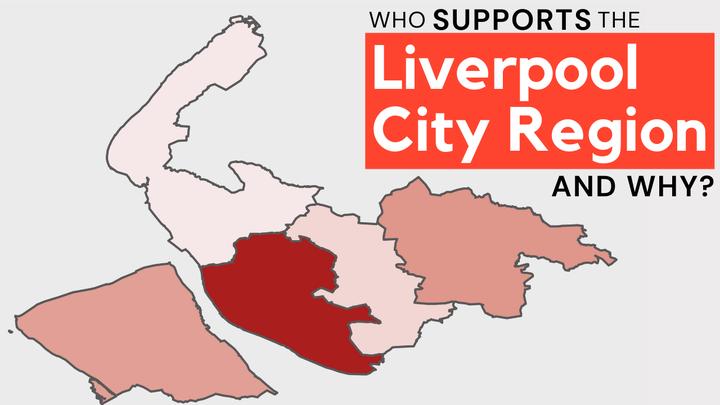
It includes Liverpool, Sefton, Wirral, Knowsley, St Helens, and Halton.
What are the best areas in Liverpool to live for families?
Family choices often prioritise parks, schools, and quieter streets, especially in suburban South Liverpool, parts of Sefton, and parts of Wirral.
What are the nicest areas in Liverpool for professionals?
Professionals often look near the city centre, the Georgian Quarter, and well-connected South Liverpool neighbourhoods with strong amenities.
What are the posh areas in Liverpool and why are they expensive?
They’re usually areas with desirable housing, good schools, and strong local centres, which increases demand and prices.
What are the safest areas in Liverpool to live?
Safety varies by street, so use police.uk data plus in-person visits to judge the exact locations you’re considering.
How can I check rough areas in Liverpool without relying on rumours?
Compare police.uk crime maps, local transport patterns, and visit at different times to understand street-level reality.
Are student areas in Liverpool safe at night?
They can be, but safety depends on routes, lighting, and habits like travelling in groups and planning late-night transport.
What are the best buy to let areas in Liverpool right now?
Look for areas with steady tenant demand near universities, hospitals, and strong rail links, then confirm rents and licensing locally.
Which areas in liverpool city region are best for commuting?
Areas close to Merseyrail lines and key stations tend to offer the simplest commutes into central Liverpool.
Is deprivation the same as dangerous when people talk about worst areas in Liverpool?
No, deprivation measures economic and social factors, while safety depends on crime patterns that can vary widely by street and time.
Also Read Sol joel park