
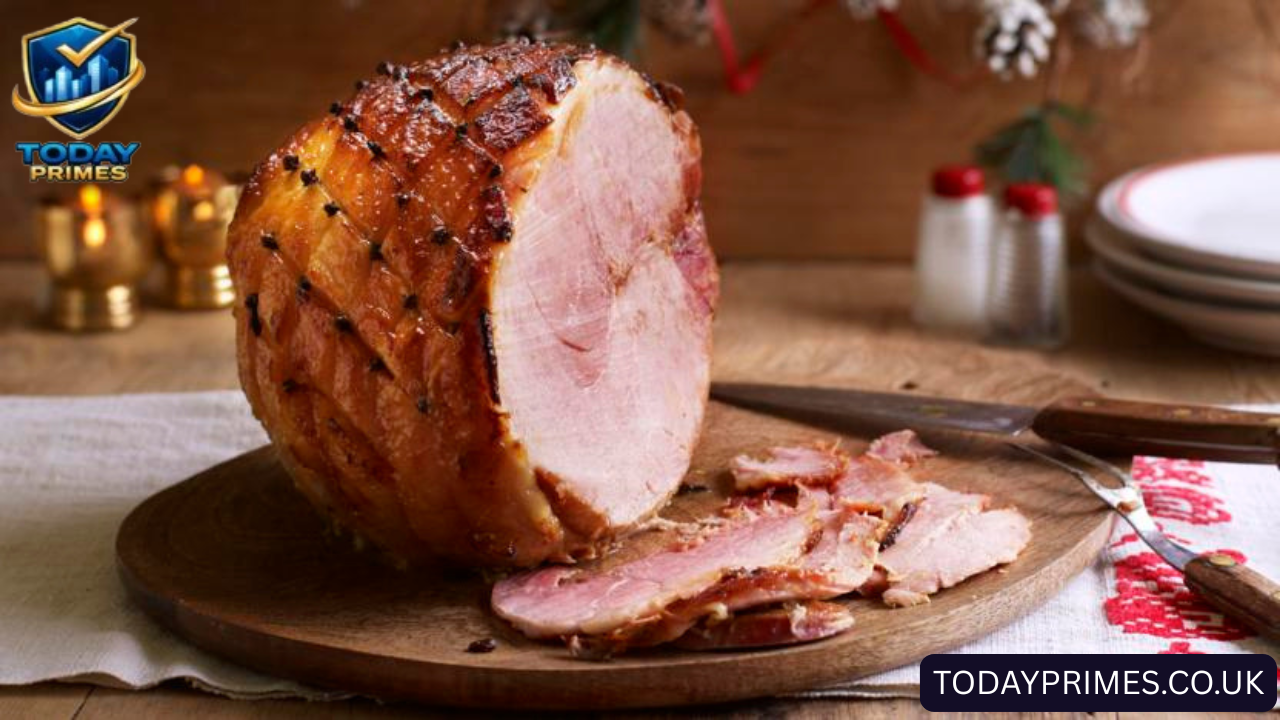
British food culture is rich with traditional dishes that have stood the test of time, and few cuts of meat are as recognisable as gammon. It appears on festive tables, Sunday roasts, and everyday family meals, offering both comfort and versatility. Its popularity comes from a balance of savoury depth and adaptability, making it suitable for classic recipes and modern cooking methods alike.
Understanding this ingredient properly helps home cooks achieve better results and appreciate why it holds such a firm place in UK cuisine. From its origins to preparation techniques, learning how it behaves during cooking allows for confident experimentation while still respecting its traditional roots.
What Is Gammon and How It Differs From Ham
Gammon refers to the hind leg of pork that has been cured using salt, either through dry curing or brining. Unlike ham, it is sold raw and must be cooked before eating. This curing process gives it a firmer texture and a distinctive savoury taste that develops further when heat is applied slowly and carefully.
Ham, although similar in origin, is usually cooked or ready to eat. The confusion between the two often comes from appearance rather than preparation. In British kitchens, understanding this distinction is essential, as cooking times, seasoning choices, and storage methods vary significantly between these two pork products.
Understanding Gammon Joints and Steaks
A gammon joint is the most common cut found in supermarkets and butcher shops across the UK. Available smoked or unsmoked, it offers flexibility depending on flavour preference. Smoked joints provide deeper, richer notes, while unsmoked versions allow glazes and seasonings to shine without competition from curing smoke.
Gammon steaks are sliced from the joint and are ideal for quicker meals. Their thickness makes them suitable for grilling, frying, or air frying. Choosing between a joint and steaks depends on occasion, time available, and whether the meal is intended as a centrepiece or a simple, satisfying dinner.
How to Cook a Gammon Joint Properly
Cooking a gammon joint successfully requires managing salt levels and moisture. Traditional British methods often involve boiling first, which helps remove excess salt and tenderise the meat. After boiling, roasting creates a flavourful outer layer that contrasts beautifully with the soft interior, resulting in a balanced and satisfying dish.
Modern approaches allow for oven roasting without boiling, provided care is taken to maintain moisture. Covering the joint during cooking and resting it before carving helps retain juices. This method suits cooks who prefer a more intense flavour and a slightly firmer texture throughout the meat.
Slow Cooker Gammon and Slow Cooked Methods
Using a slow cooker has become increasingly popular in British households due to its convenience and reliability. Slow cooking allows flavours to develop gradually, producing tender meat with minimal effort. This approach is especially useful for busy families who want a hearty meal waiting at the end of the day.
Slow cooked gammon joints benefit from gentle heat and consistent moisture, reducing the risk of dryness. Aromatics such as onions, bay leaves, and mild spices enhance flavour without overpowering the meat. The result is a comforting dish that works equally well served hot or sliced cold for later meals.
Cooking Gammon Steaks and Air Fryer Options

Gammon steaks are ideal for quick cooking and suit modern appliances perfectly. Pan frying and grilling remain popular choices, delivering caramelised edges and a juicy centre when cooked carefully. Timing is essential, as overcooking can lead to dryness and an overly salty taste.
Air fryers offer an alternative that appeals to health-conscious cooks. Steaks cook evenly and quickly, requiring little added fat. While smaller cuts are best suited to this method, it demonstrates how traditional ingredients can adapt to contemporary cooking trends without losing their familiar appeal.
Popular Recipes and Serving Ideas
Classic roast gammon remains a firm favourite in British homes, often paired with seasonal vegetables and simple glazes. Sweet and savoury combinations, such as honey and mustard or fruit-based sauces, complement the cured flavour and add visual appeal to the finished dish.
Leftovers are another reason this cut remains popular. Cold slices work well in sandwiches, salads, or pasta dishes, extending value and reducing waste. This versatility makes it a practical choice for households looking to plan meals efficiently while still enjoying comforting, traditional flavours.
Conclusion
Gammon continues to be a cornerstone of British cooking due to its rich flavour, adaptability, and cultural familiarity. Whether slow cooked for convenience or roasted for a family gathering, it suits a wide range of occasions and lifestyles. Understanding its nature allows cooks to achieve consistent, satisfying results.
By exploring different cuts and cooking methods, home cooks can enjoy both traditional tastes and modern techniques. This balance ensures that this classic ingredient remains relevant, comforting, and widely enjoyed across the UK.
Frequently Asked Questions
What is the difference between gammon and ham?
Gammon is cured but sold raw and must be cooked, while ham is usually already cooked and ready to eat.
Do you need to boil a gammon joint before roasting?
Boiling is traditional to reduce salt, but oven roasting without boiling can work if moisture is carefully maintained.
Can gammon be cooked in a slow cooker?
Yes, slow cooking produces tender meat and is ideal for hands-off preparation.
Are gammon steaks suitable for air fryers?
Gammon steaks cook well in air fryers and are a quick, convenient option for modern kitchens.
How should leftover gammon be stored?
Cooked slices should be kept in an airtight container in the fridge and used within a few days.
Also Read: best sopa criolla near me